
A new policy announced by the IRS and the U.S. Treasury will begin phasing out paper tax refund checks for individual taxpayers starting September 30, 2025. This change is a part of a broader federal plan to shift government payments to safer, faster, and more cost effective electronic methods.
At Nottingham and Associates, we recognize that these changes will impact some of our clients. Read more to learn about why this change is happening, what you can do now to ensure a smooth transition come tax season, and what other changes may be coming due to the shift to electronic payment systems.
Why is the IRS Moving Away from Paper Refunds?
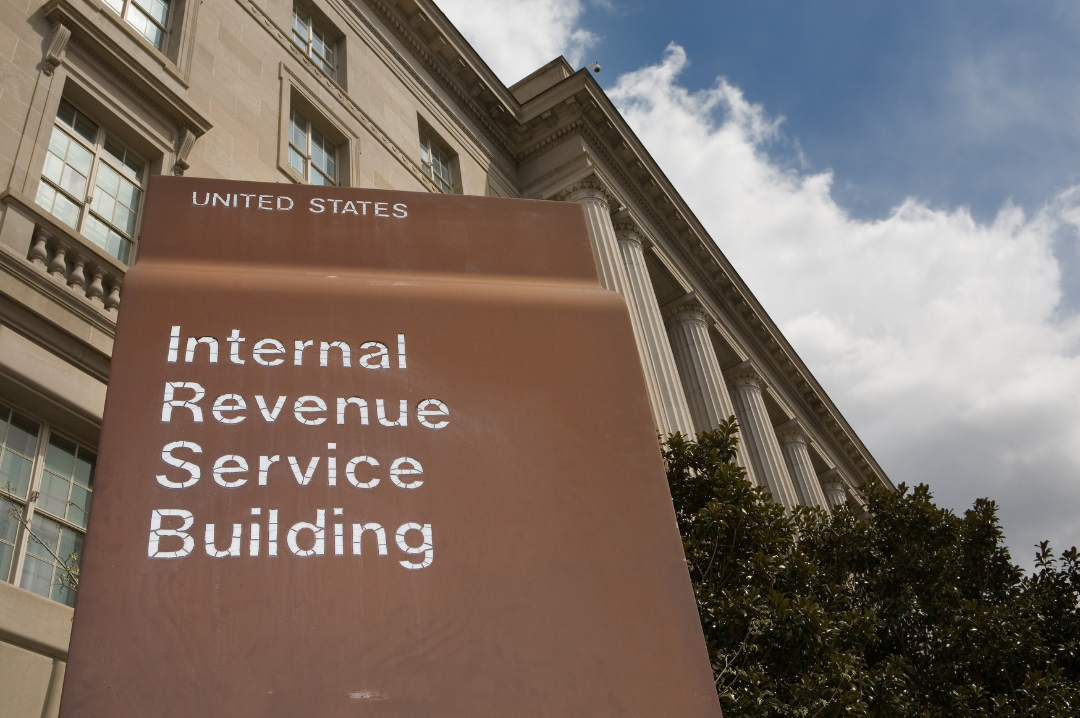
The IRS is phasing out paper tax refund checks as part of Executive Order 14247. This executive order requires all federal agencies to use electronic methods for payments and disbursements as a way to help reduce fraud, save on costs, and prevent payment delays.1 The order specifically calls out tax refunds as one of the payments to be transitioned to electronic delivery methods.
Protecting taxpayers and preventing fraud is one of the main reasons the IRS is moving away from paper refund checks. According to the IRS, “paper checks are over 16 times more likely to be lost, stolen, altered, or delayed than electronic payments.”2 Furthermore, opting for direct deposit helps avoid refund checks being returned to the IRS as undeliverable, and can speed up the refund process by up to 3 weeks or more.3 Not only does this help protect taxpayers by ensuring safe and fast delivery of their refunds, but it also reduces the government’s cost of printing paper refund checks.
What Does This Mean for Our Clients?
While the tax filing process will remain largely unchanged, how you will receive a tax refund may be different moving forward. If you are already set up for direct deposit refunds, then you likely will not notice a change. However, if you typically receive a paper tax refund check, you will need to explore electronic delivery options and be ready to provide your bank account information when uploading or dropping off your tax documents.

To ensure a smooth tax season in April, here are steps our clients can take now:
- Review Bank Information: Make sure your current bank account details are up to date and accurate. If you have changed accounts since the previous tax season, be sure to let us know and plan to include a blank check or account information when uploading your documents so that we can update your tax forms accordingly.
- Be sure to review bank information for dependents who need to file taxes as well! Many of the paper refund check elections we have seen in previous years are for dependents.
- Open an Account If Needed: If you don’t currently have a bank account or do not want to provide your primary bank account information, consider opening a new account for tax refunds and payments. Direct deposit tax refunds can be delivered to savings or checking accounts. The IRS has resources on their website for free or low-cost account options.
- Explore Alternative Methods Now: For those without access to bank accounts, the IRS offers alternatives such as prepaid debit cards and digital wallets. Some exceptions exist for paper check tax refunds; however, it is important to start exploring these options now to ensure that you qualify.
Can Taxpayers Still Pay Taxes with Paper Checks?
Executive Order 14247 also applies to payments made to the IRS. At this time, the IRS has yet to release information about changes to payment options for taxpayers, so taxpayers can continue to use existing payment options, such as paper checks. However, additional guidance and information for filing 2025 taxes will be provided by the IRS before the 2026 filing season, and taxpayers should anticipate changes to paper check payment options.
We will be sure to update our clients about any changes to payment options once they are released by the IRS.

While the majority of taxpayers receive refunds through direct deposit, the transition to digital refunds can be a big change for some individuals. Ultimately, this change will help protect taxpayers through greater security and faster processing. Taking steps now to review bank information and set-up a direct deposit option can help ease the stress of this change during tax season.
If you have questions about how this change could impact your individual situation, please contact our office. At Nottingham and Associates, we want you to feel supported and confident about every tax season.
- Executive Order No. 14247 (2025, Mar 25). Modernizing Payments to and From America’s Bank Accounts. https://www.whitehouse.gov/presidential-actions/2025/03/modernizing-payments-to-and-from-americas-bank-account/ ↩︎
- Internal Revenue Service. (2025, Sep 23). News Releases: IRS to phase out paper tax refund checks starting with individual taxpayers. https://www.irs.gov/newsroom/irs-to-phase-out-paper-tax-refund-checks-starting-with-individual-taxpayers ↩︎
- Internal Revenue Service. (2025, Sep 23). News Releases: IRS to phase out paper tax refund checks starting with individual taxpayers. https://www.irs.gov/newsroom/irs-to-phase-out-paper-tax-refund-checks-starting-with-individual-taxpayers ↩︎